MissionLab
Beyond the Ministry Site

Cultural & Educational Sites

The museums, historic sites, swamp tours, and music venues groups build into a week alongside their ministry days.

Audubon Aquarium and InsectariumMuseum

Audubon Aquarium and Insectarium

Two attractions combined into one building at the foot of Canal Street. The aquarium focuses on the Gulf of Mexico and the Mississippi, with a walk-through Caribbean tunnel, a rescued sea turtle, and the white alligators that are unique to Louisiana. The insectarium covers the state’s insect life, including a butterfly garden and, for the brave, a tasting kitchen. Plan two to three hours. It sits right on the riverfront, so a walk along the river walk pairs naturally with it.
Louisiana Children’s MuseumMuseum

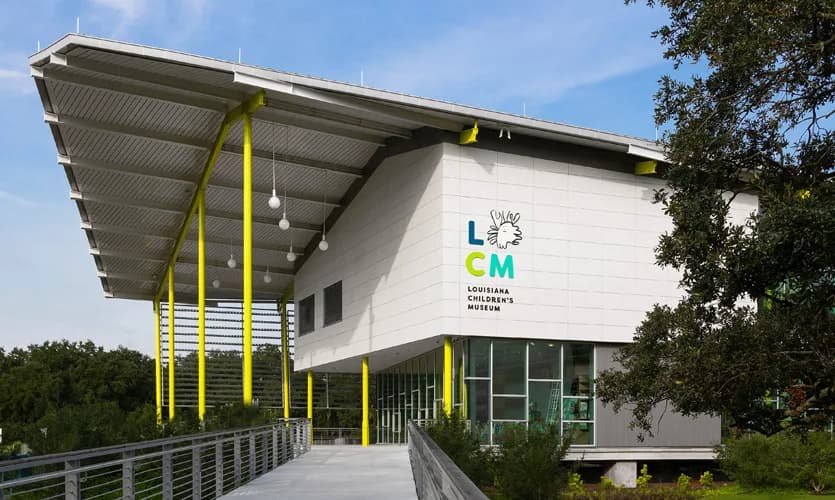
Louisiana Children’s Museum

A hands-on museum in City Park built around play and discovery, with water tables, a mock grocery and port, art studios, and a Louisiana ecosystem exhibit. The campus opens onto lagoon-side boardwalks and an outdoor learning area, so a good part of the visit happens outside. Best suited to groups bringing younger children along.

NOBTS Museum of the BibleMuseum

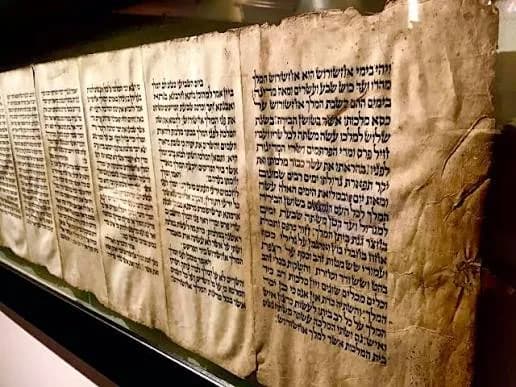
NOBTS Museum of the Bible

A collection of biblical artifacts and manuscripts housed right here on the seminary campus, in the same place your group is staying. Exhibits trace how the Bible was written, copied, and carried across centuries, including pottery, coins, and reproductions of ancient texts.

New Orleans Museum of ArtMuseum

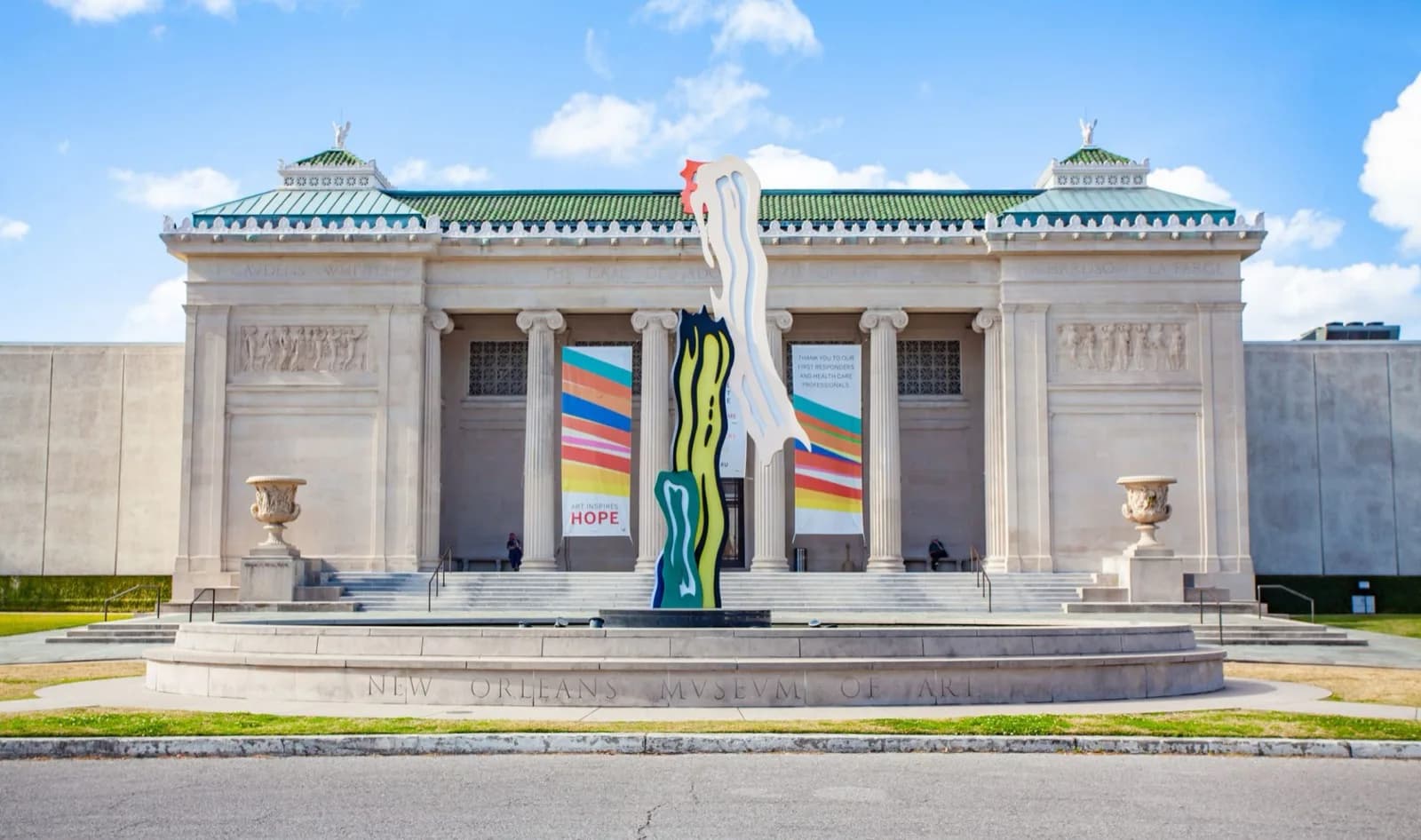
New Orleans Museum of Art

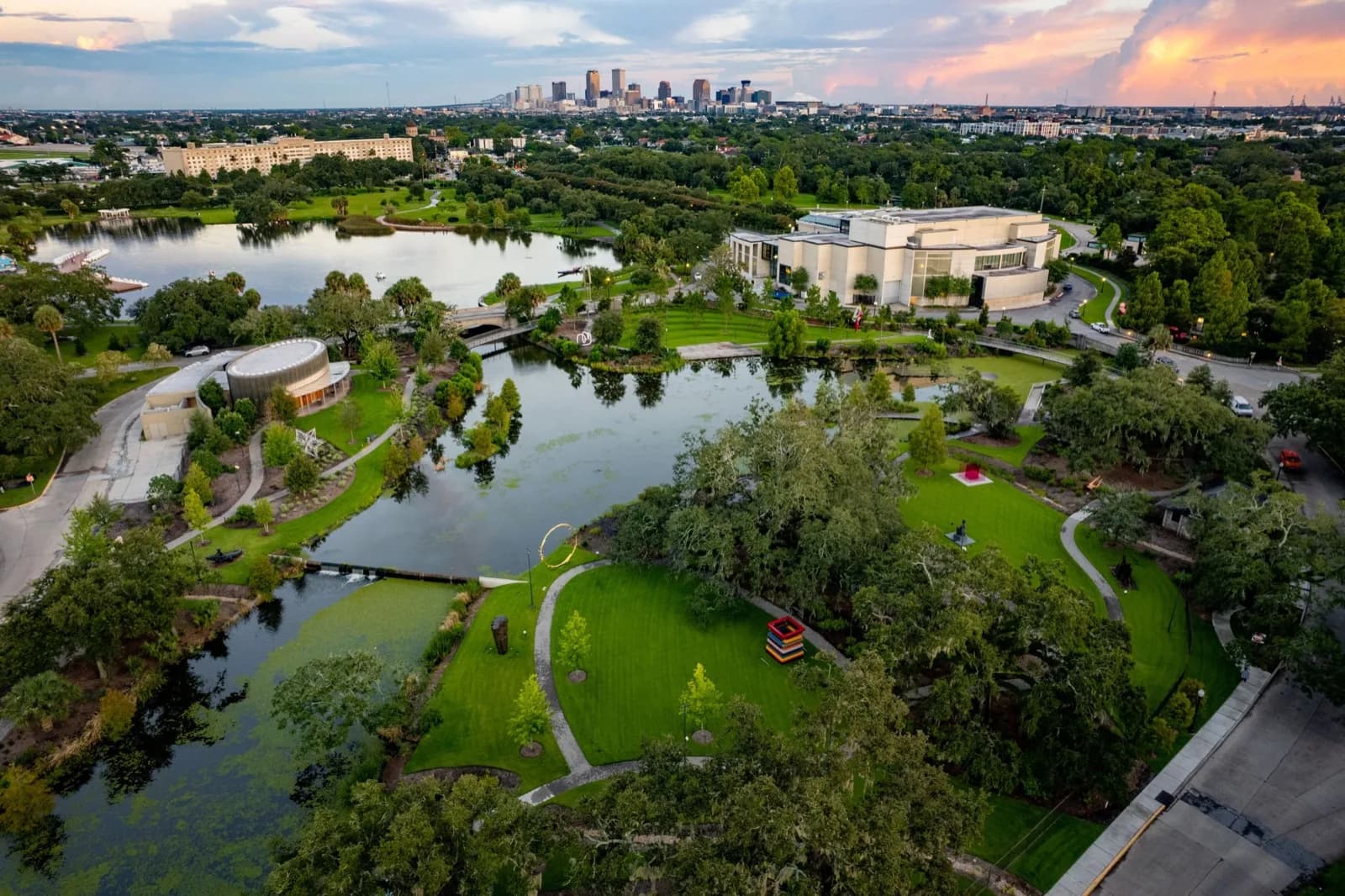
The oldest fine arts institution in the city, holding a collection that spans French and American painting, African art, photography, and Louisiana decorative arts. It sits at the entrance to City Park, and the adjoining Besthoff Sculpture Garden holds more than ninety sculptures set among live oaks, lagoons, and walking paths.

The Cabildo Museum (Louisiana State Museum)Museum

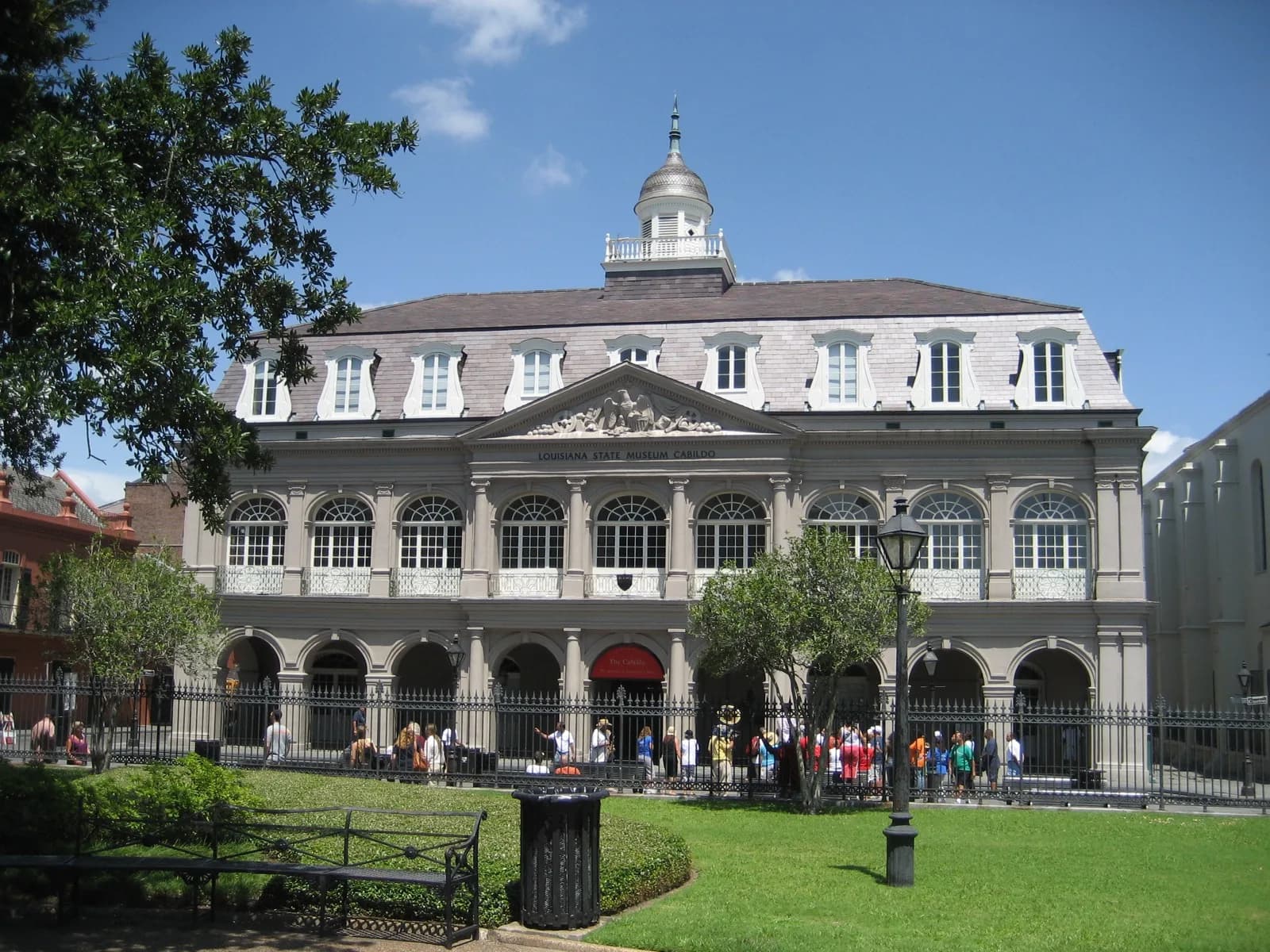
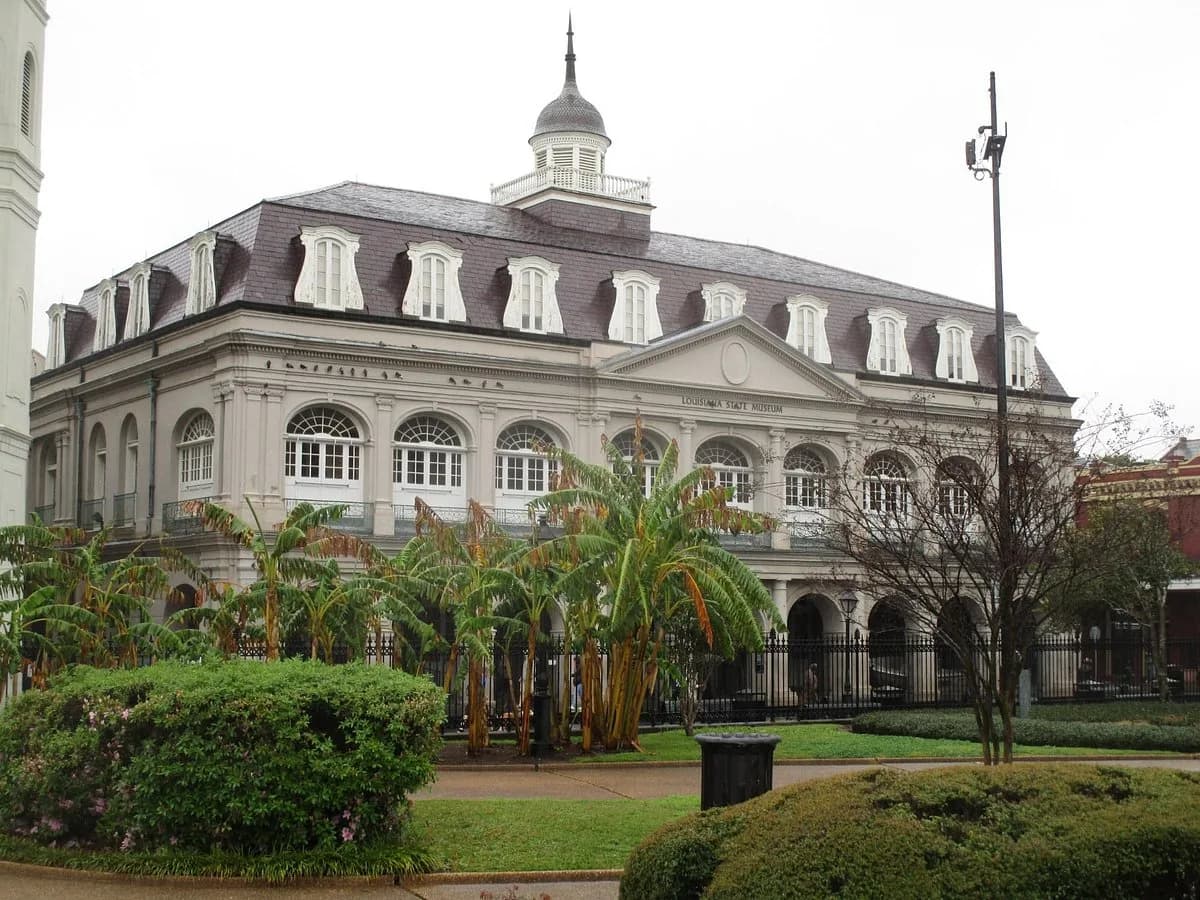
The Cabildo Museum (Louisiana State Museum)

The building where the Louisiana Purchase transfer was formally signed in 1803, now a museum covering Louisiana from its colonial beginnings through Reconstruction. Galleries cover French and Spanish rule, the port and the river trade, slavery and emancipation, and the Battle of New Orleans. It sits directly beside the Presbytère on Jackson Square, so the two are easy to see back to back.

The National WWII MuseumMuseum

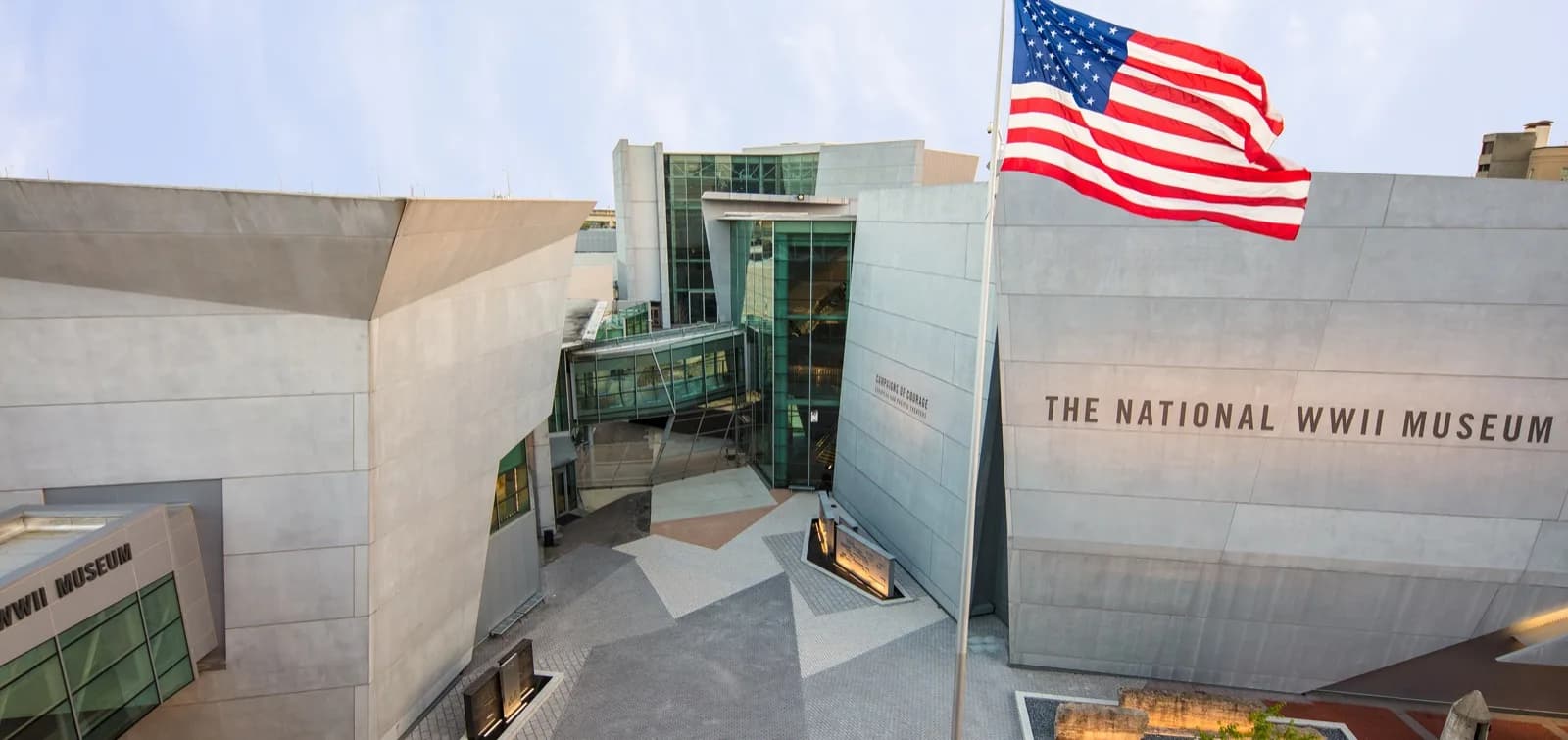
The National WWII Museum

Consistently ranked among the best museums in the country, this campus of pavilions tells the story of the American experience in World War II through personal accounts, restored aircraft, and immersive galleries. You will walk through the D-Day landings, the Pacific theater, and the home front, with oral histories from the people who lived it. Plan at least half a day, and know there is a lot of walking. The Beyond All Boundaries film, narrated by Tom Hanks, is worth adding if your schedule allows.

The Presbytère (Louisiana State Museum)Museum

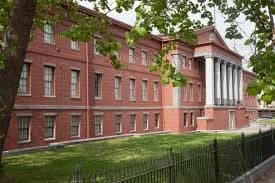
The Presbytère (Louisiana State Museum)

Highlights include major collections of Louisiana paintings and decorative arts from colonial times to the present; costumes and ephemera illustrating the history of Carnival in Louisiana; a globally recognized collection of musical instruments, recordings, sheet music, and photographs illustrating the history of New Orleans jazz and Louisiana music; and an extensive document archive housed at the Louisiana Historical Center, which includes comprehensive judicial and civil records of French and Spanish colonial rule from 1718 to 1803.

Jackson Square and St. Louis CathedralHistoric Site

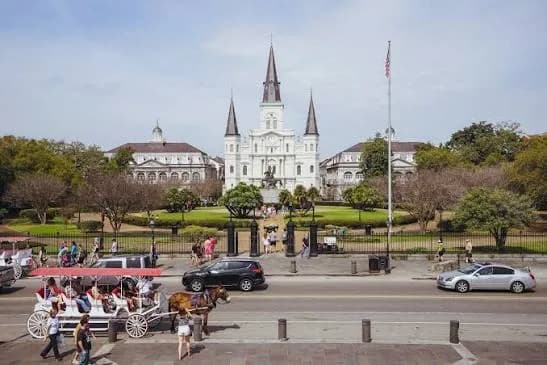
Jackson Square and St. Louis Cathedral

The heart of the French Quarter, and the image most people picture when they think of New Orleans. The cathedral is the oldest continuously operating one in the United States, and visitors are welcome to step inside and look up at the vaulted ceiling and stained glass. Outside, the square fills with artists, street performers, and musicians. Visiting is free and takes about half an hour, so it works well as an anchor for anything else you do in the Quarter.

Lafayette Cemetery No. 1Historic Site

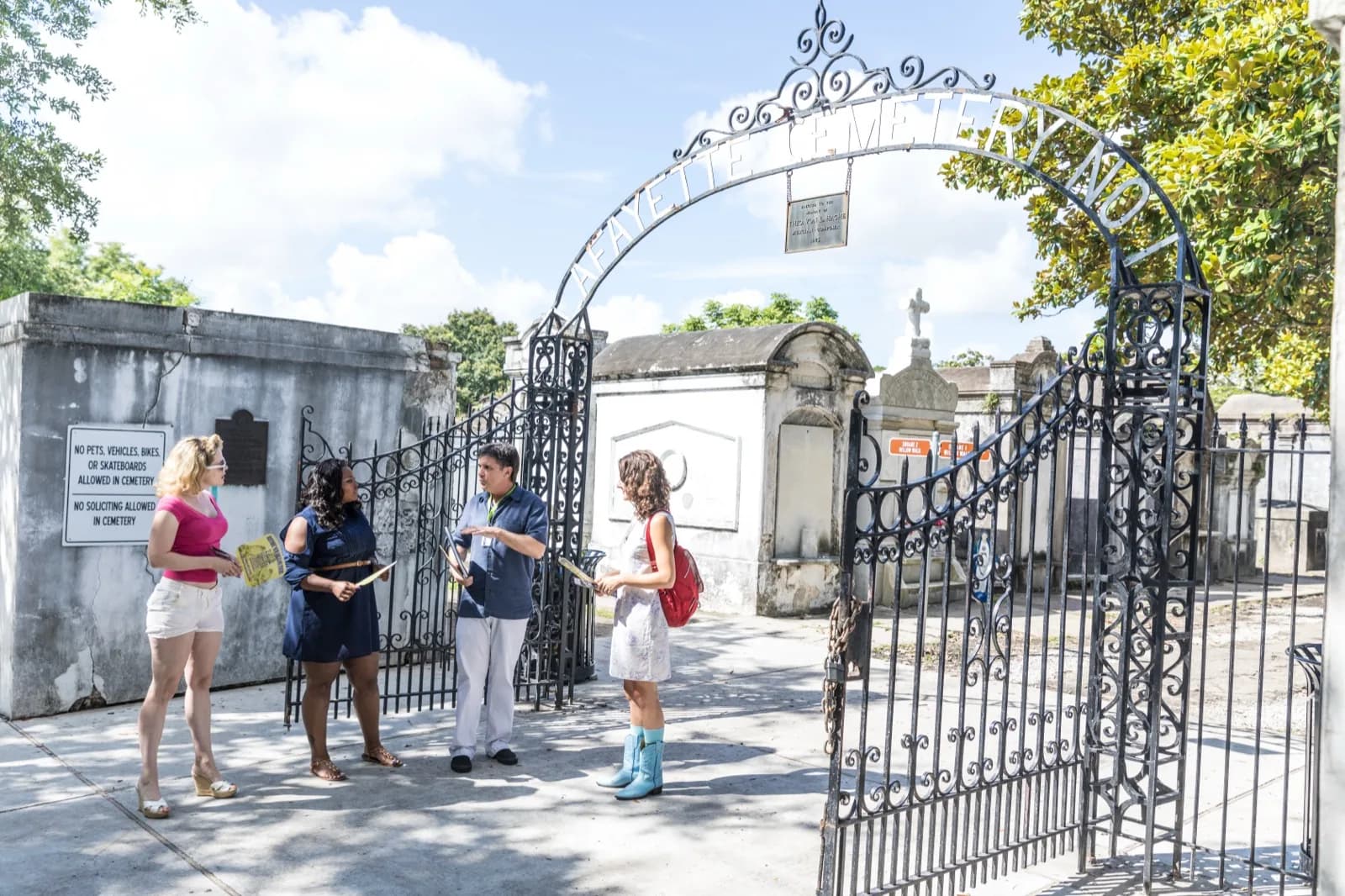
Lafayette Cemetery No. 1

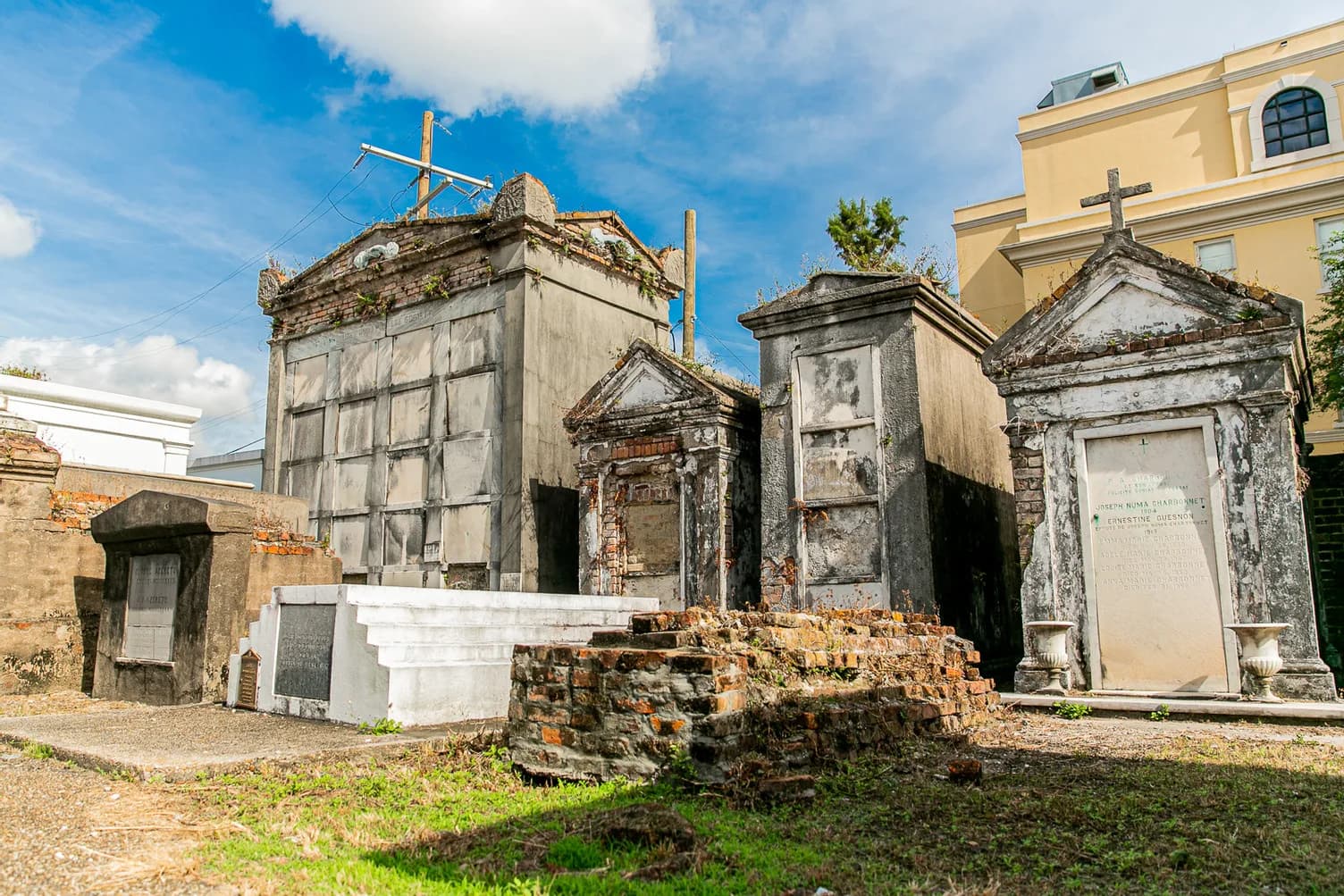
A compact Garden District cemetery from 1833, surrounded by the nineteenth century mansions that make the neighborhood famous. The above-ground tombs here reflect the waves of immigrants and yellow fever epidemics that shaped the city. It is small enough to see in well under an hour, which makes it a natural pairing with a walk through the surrounding streets.

Louis Armstrong ParkHistoric Site

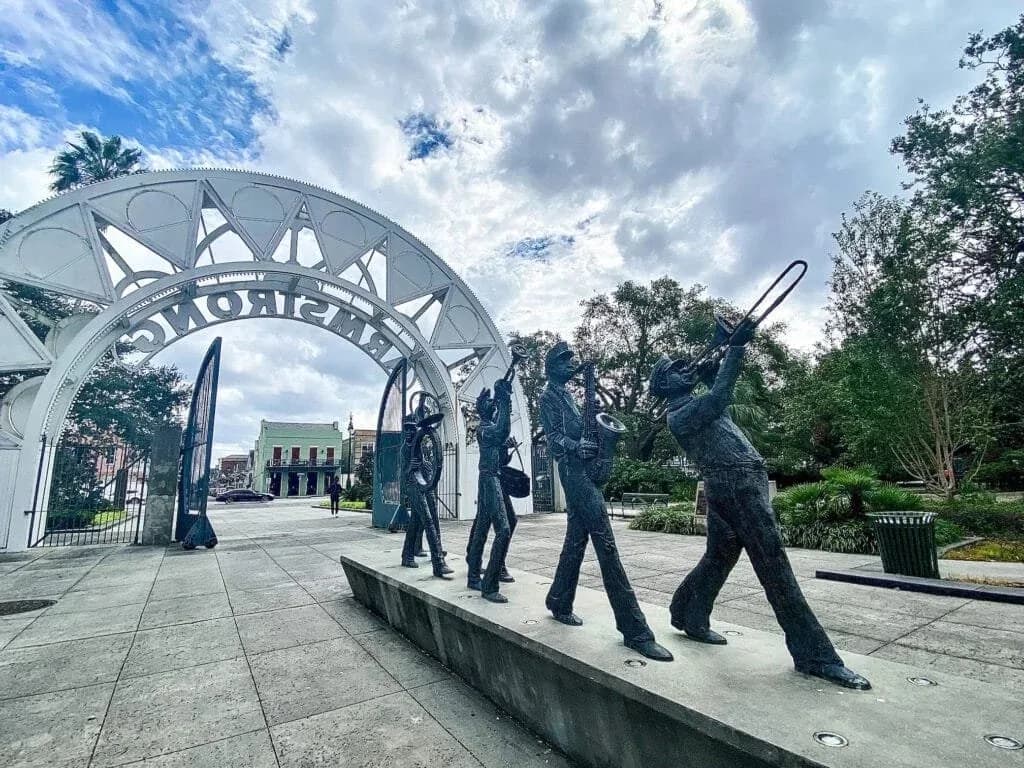
Louis Armstrong Park

A thirty acre park just outside the French Quarter containing Congo Square, the ground where enslaved Africans were permitted to gather on Sundays to trade, drum, and dance. Those gatherings preserved African musical traditions that fed directly into jazz, which is why the square is widely regarded as a birthplace of American music. The park is free and open, with sculpture and walking paths, and it borders the Tremé neighborhood.

Oak Alley PlantationHistoric Site

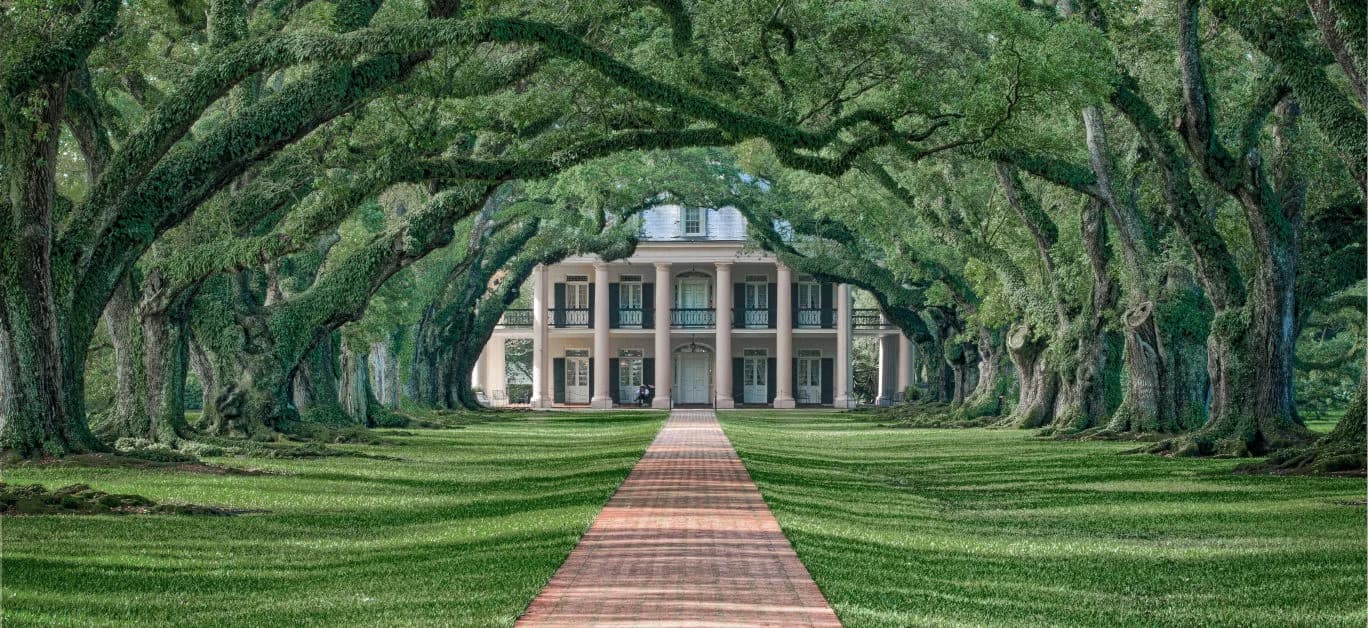
Oak Alley Plantation

A River Road estate best known for the quarter-mile corridor of twenty-eight live oaks planted three centuries ago, leading up to the main house. The visit covers both the big house tour and a separate exhibit on the people who were enslaved on the property, with reconstructed quarters and documented histories. About an hour outside the city, and often paired with a swamp tour to make a full day.

St. Louis Cemetery No. 1Historic Site

St. Louis Cemetery No. 1

Opened in 1789, this is the oldest surviving cemetery in New Orleans and the clearest example of why the city buries above ground. Narrow lanes wind between whitewashed family tombs and society vaults, including the reputed tomb of Marie Laveau.

Whitney PlantationHistoric Site

Whitney Plantation

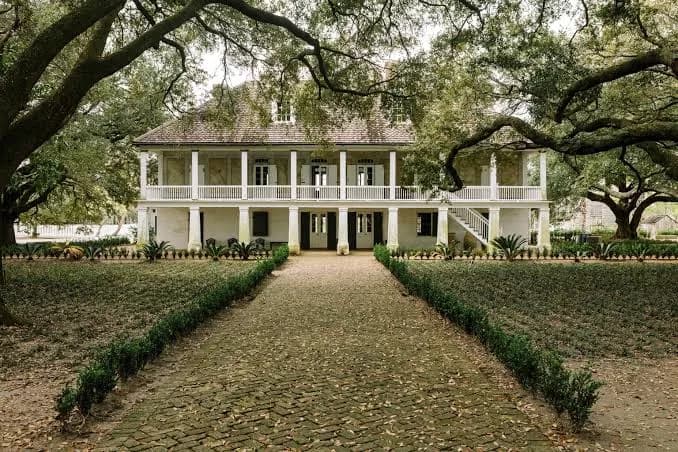
The only plantation museum in Louisiana told entirely from the perspective of the people who were enslaved there. The guided tour walks through the original slave cabins, a freedmen’s church, and memorials inscribed with the names and recorded testimonies of the enslaved. It is a sobering visit and an honest one, and groups routinely name it the most meaningful stop of their week.

Audubon ZooNature & Outdoors

Audubon Zoo

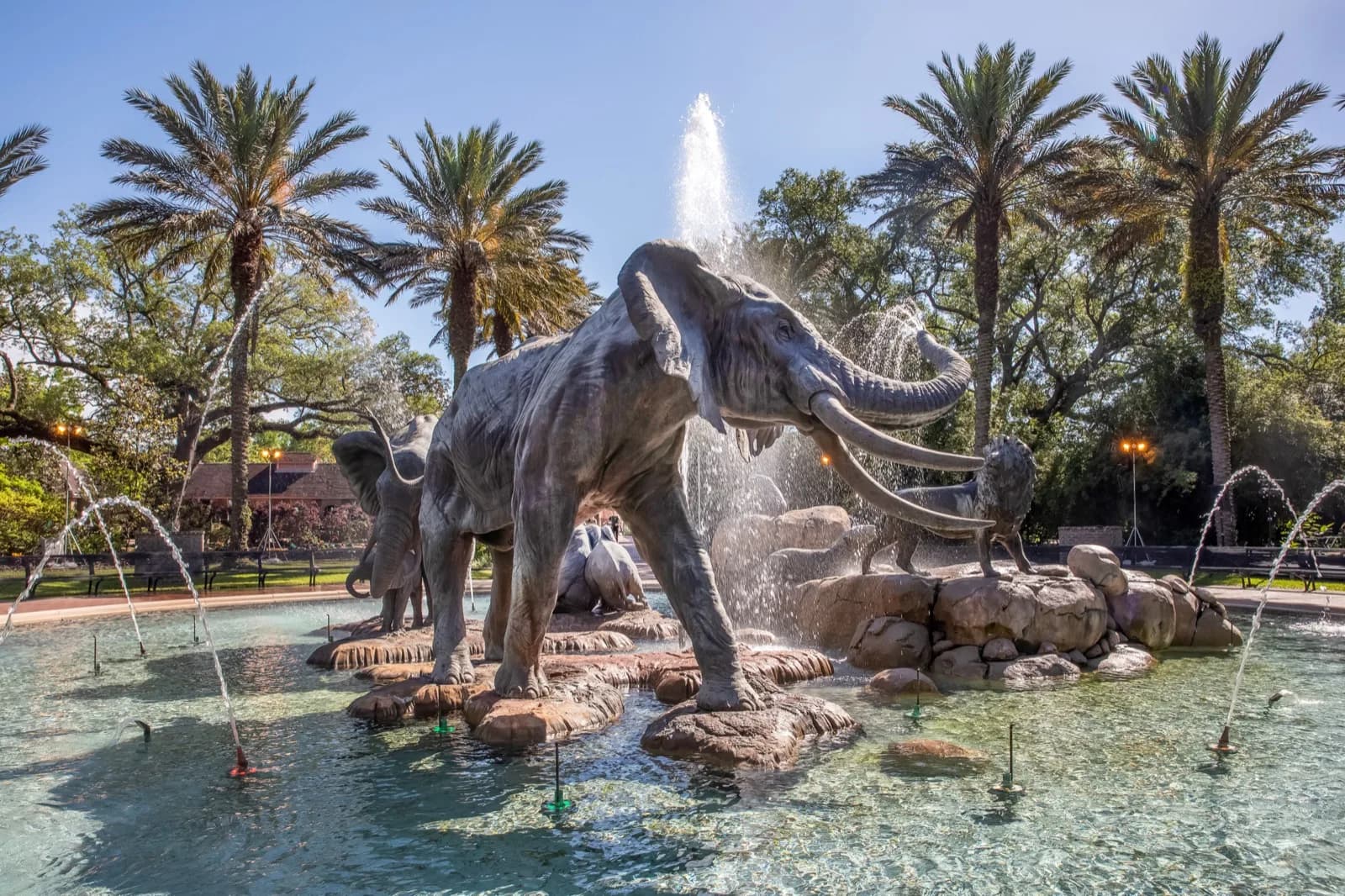
Located in historic Uptown New Orleans, Audubon Zoo features exotic and endangered animals from around the globe. Amidst canopies of great oak trees, experience the wonder of nature in a shaded wonderland that includes beautiful architecture, delicious cuisine, kids' play areas, and more. Explore unique natural habitats such as the award-winning Louisiana Swamp and see white alligators before grabbing some jambalaya at the Cypress Knee Cafe. Or, grab an icy snowball treat and head over to Jaguar Jungle after passing iconic Monkey Hill.

City ParkNature & Outdoors

City Park

At roughly 1,300 acres this is one of the largest urban parks in the country, and it holds the largest stand of mature live oaks in the world, some of them close to six hundred years old. Within it you will find Big Lake and its walking path, the Botanical Garden, and the sculpture garden beside the art museum. It is free to walk and open enough to spread out, which makes it useful for a picnic, a team gathering, or just an unhurried hour.

Crescent ParkNature & Outdoors

Crescent Park

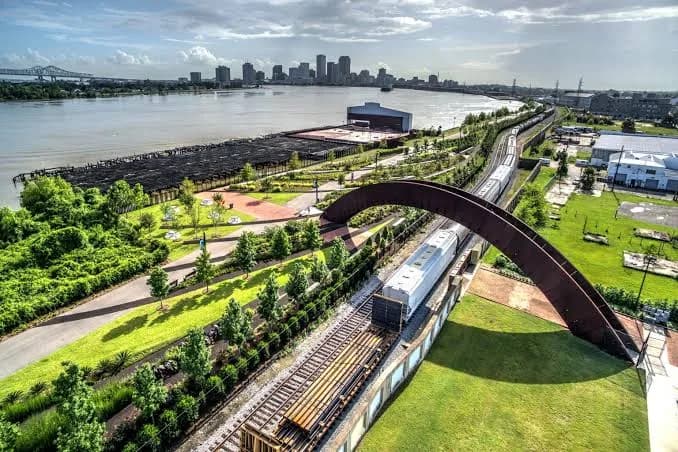
A mile and a half of riverfront park along the Bywater, reached by the arched Rusty Rainbow footbridge. It gives you open, uninterrupted views of the working port with ships passing close enough to read their names, and it stays quiet even when the rest of the city is busy. Free and rarely crowded, which makes it a good spot for a team devotional, a debrief, or an unhurried walk.

Honey Island Swamp TourNature & Outdoors

Honey Island Swamp Tour

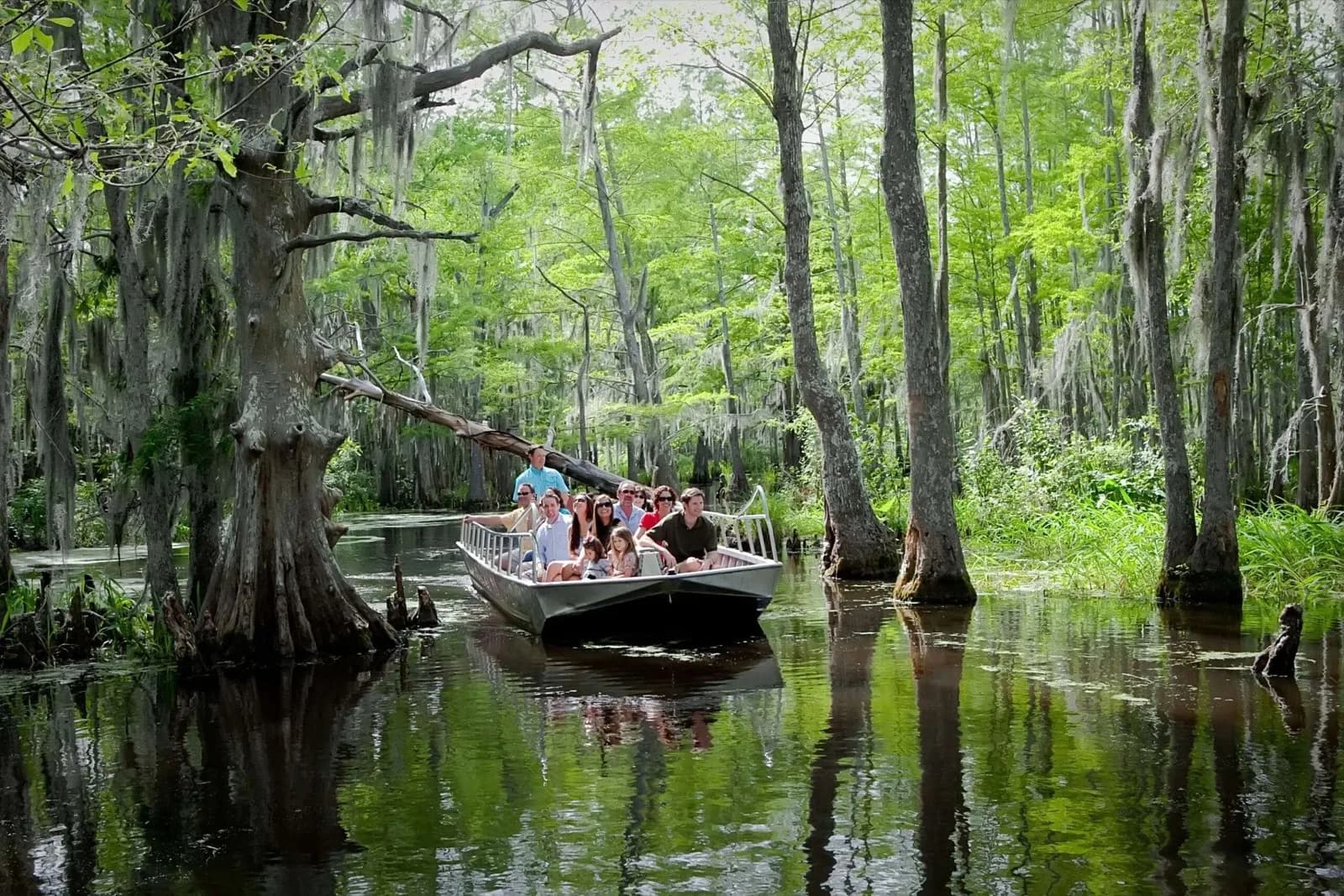
A small-boat tour through one of the least altered river swamps in the country, roughly forty-five miles of protected wetland along the West Pearl River. Your guide navigates the cypress and tupelo channels pointing out alligators, herons, turtles, and the occasional wild boar, and explains how the swamp works and why it matters to the region. Bring bug spray, sunscreen, and water, and expect it to be warm.

Jean Lafitte Barataria PreserveNature & Outdoors

Jean Lafitte Barataria Preserve

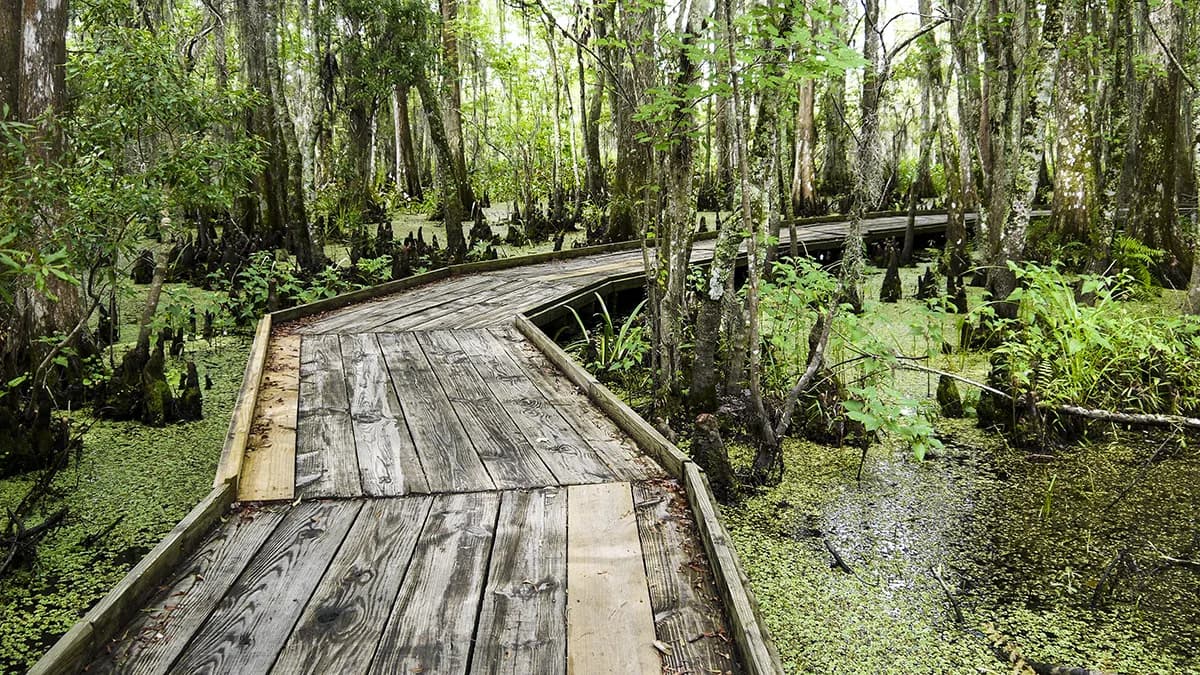
A National Park Service site about thirty minutes south of the city, with boardwalk trails carrying you over hardwood forest, cypress swamp, and freshwater marsh without ever getting your feet wet. Alligators, egrets, and turtles are common sights, and the visitor center explains how the Mississippi built this land and how quickly it is now disappearing. Admission is free and the main boardwalk loops take about an hour.

Lake Pontchartrain LakefrontNature & Outdoors

Lake Pontchartrain Lakefront

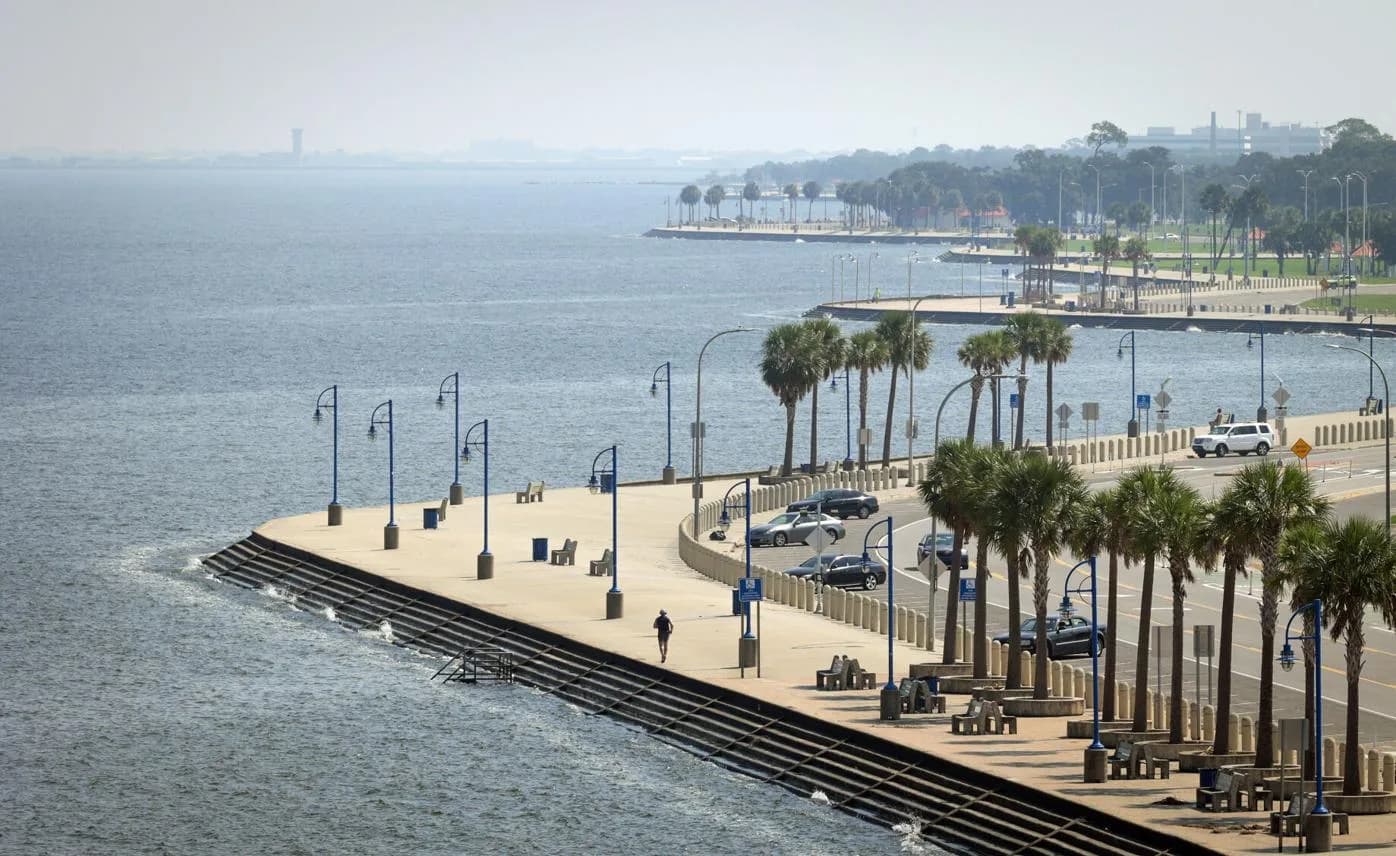
A stretch of open green space and concrete seawall steps along a lake so wide you cannot see across it. It is a short drive from the seminary campus, free, and almost never crowded on a weekday evening. Groups use it for cookouts, for a sunset gathering after a long day of serving, or simply for a place to sit and debrief with some breeze off the water.

Mardi Gras WorldArts & Music

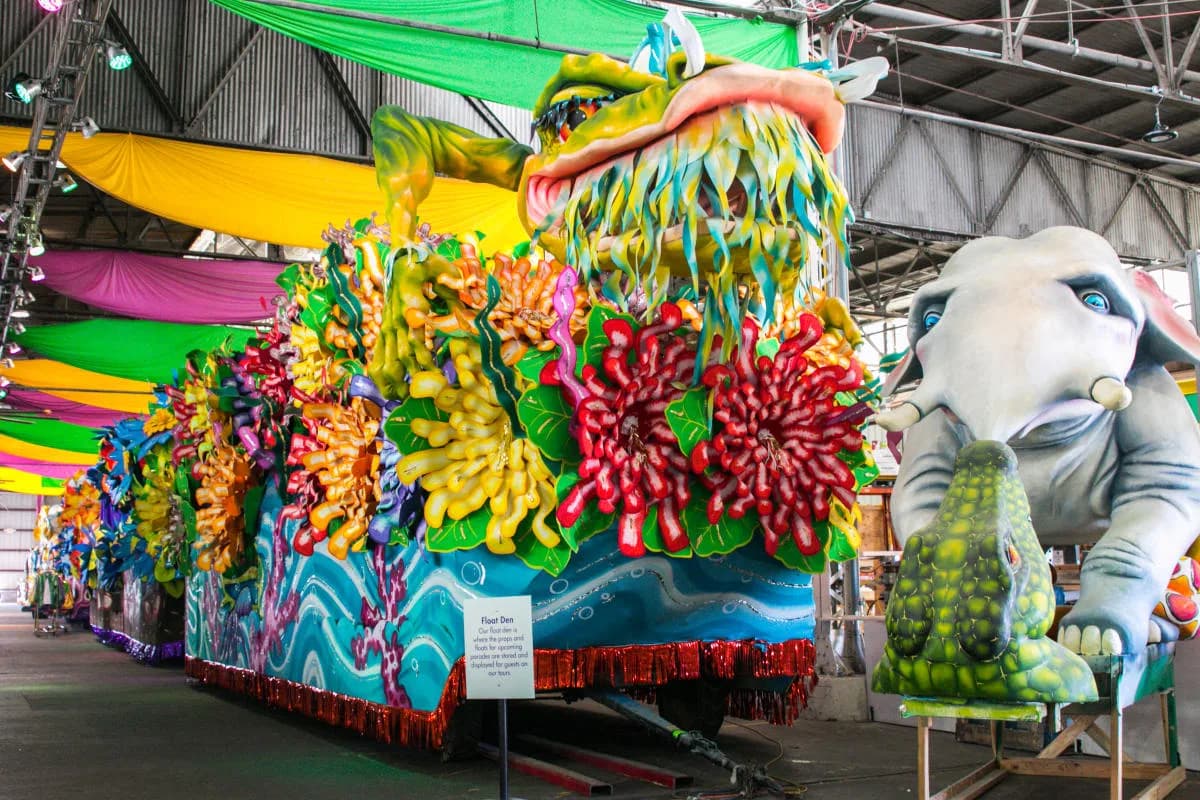
Mardi Gras World

A working warehouse on the river where a large share of the city’s parade floats are designed and built. The guided tour takes you through the studios past sculptors and painters at work, among giant figures in every stage of construction, and explains how the krewes, the season, and the whole enterprise actually function. About an hour, entirely indoors, which makes it a dependable option when the weather turns.

New Orleans Jazz Museum at the Old U.S. MintArts & Music

New Orleans Jazz Museum at the Old U.S. Mint

Housed in the only building to have served as both a United States and a Confederate mint, this museum traces jazz from its roots in Congo Square through its spread around the world. The collection includes Louis Armstrong’s first cornet along with instruments played by Sidney Bechet and Fats Domino. Live performances often run on the third floor in the afternoons.

Preservation HallArts & Music

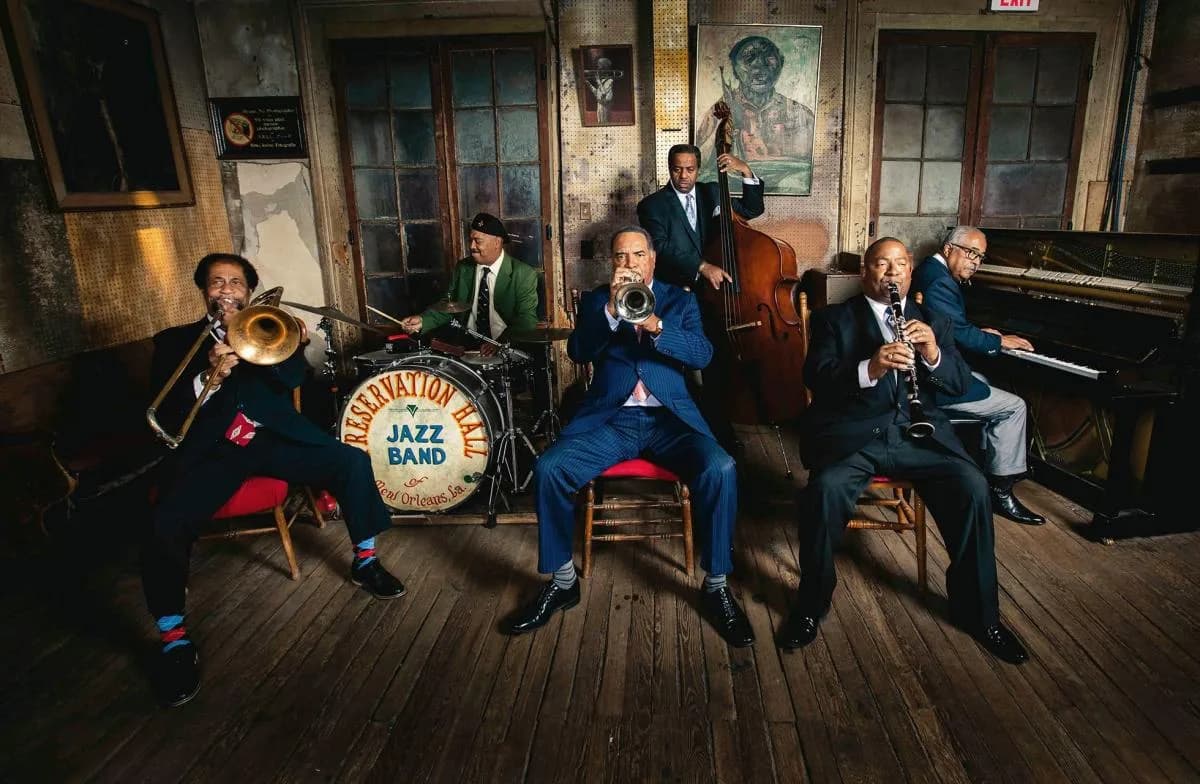
Preservation Hall

Preservation Hall is an intimate, historic music venue in the heart of the French Quarter, dedicated to preserving and celebrating the tradition of New Orleans jazz. Since opening in 1961, it has become one of the city’s most iconic places to experience live traditional jazz. Its simple, no-frills setting puts the focus on the musicians and creates an up-close experience rooted in New Orleans culture and history. Preservation Hall hosts live jazz performances daily, with multiple shows throughout the evening. The intimate space puts you just feet from the musicians, offering an authentic and memorable way to experience the sound of New Orleans.

Cafe du MondeCulinary

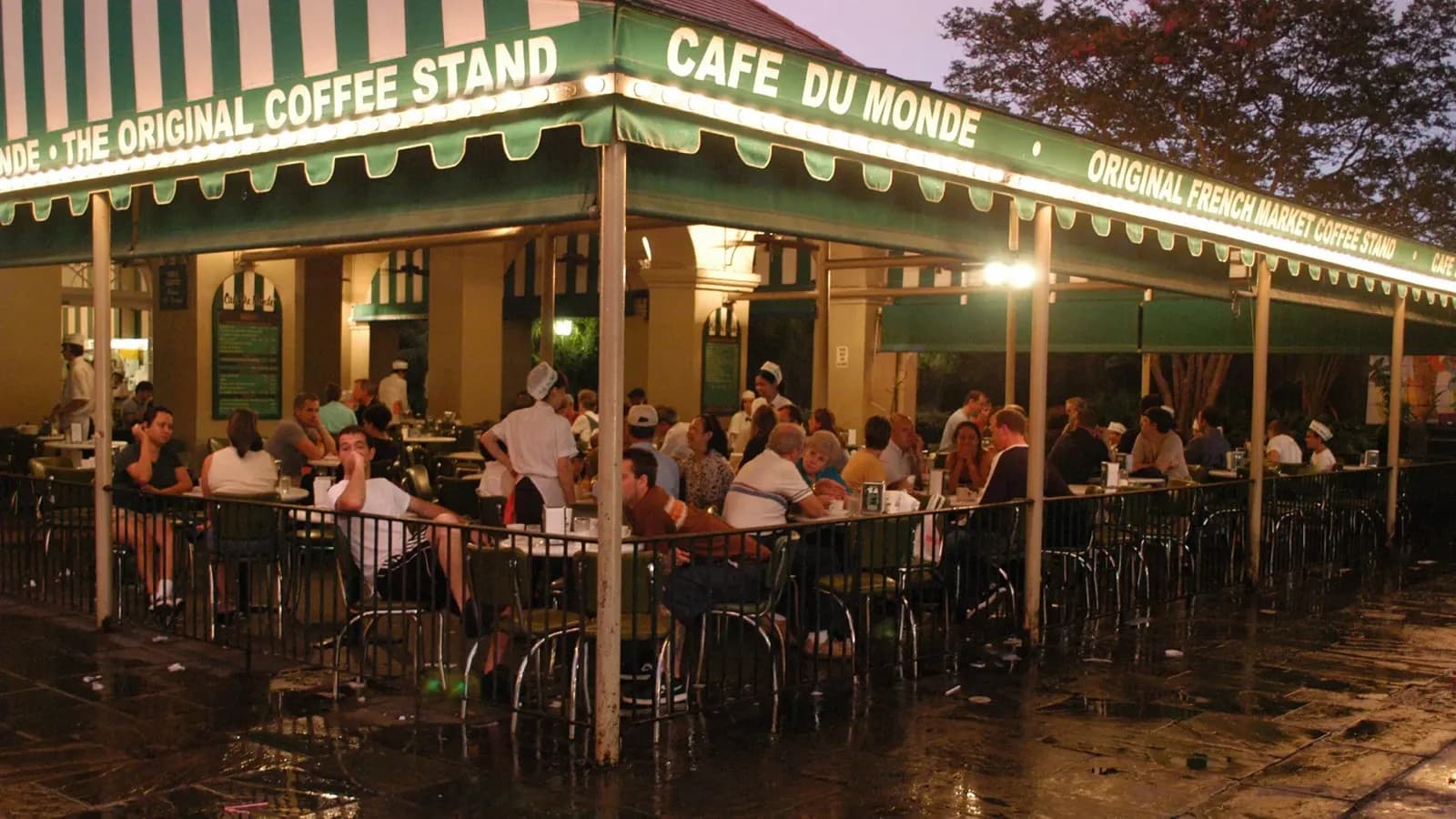
Cafe du Monde

An open-air coffee stand at the edge of the French Market that has been serving the same two things since 1862: beignets buried in powdered sugar, and coffee cut with chicory. It is open around the clock and it is inexpensive, which makes it easy to fold into almost any French Quarter stop. Wear something you do not mind getting powdered sugar on, because you will.

French MarketCulinary

French Market

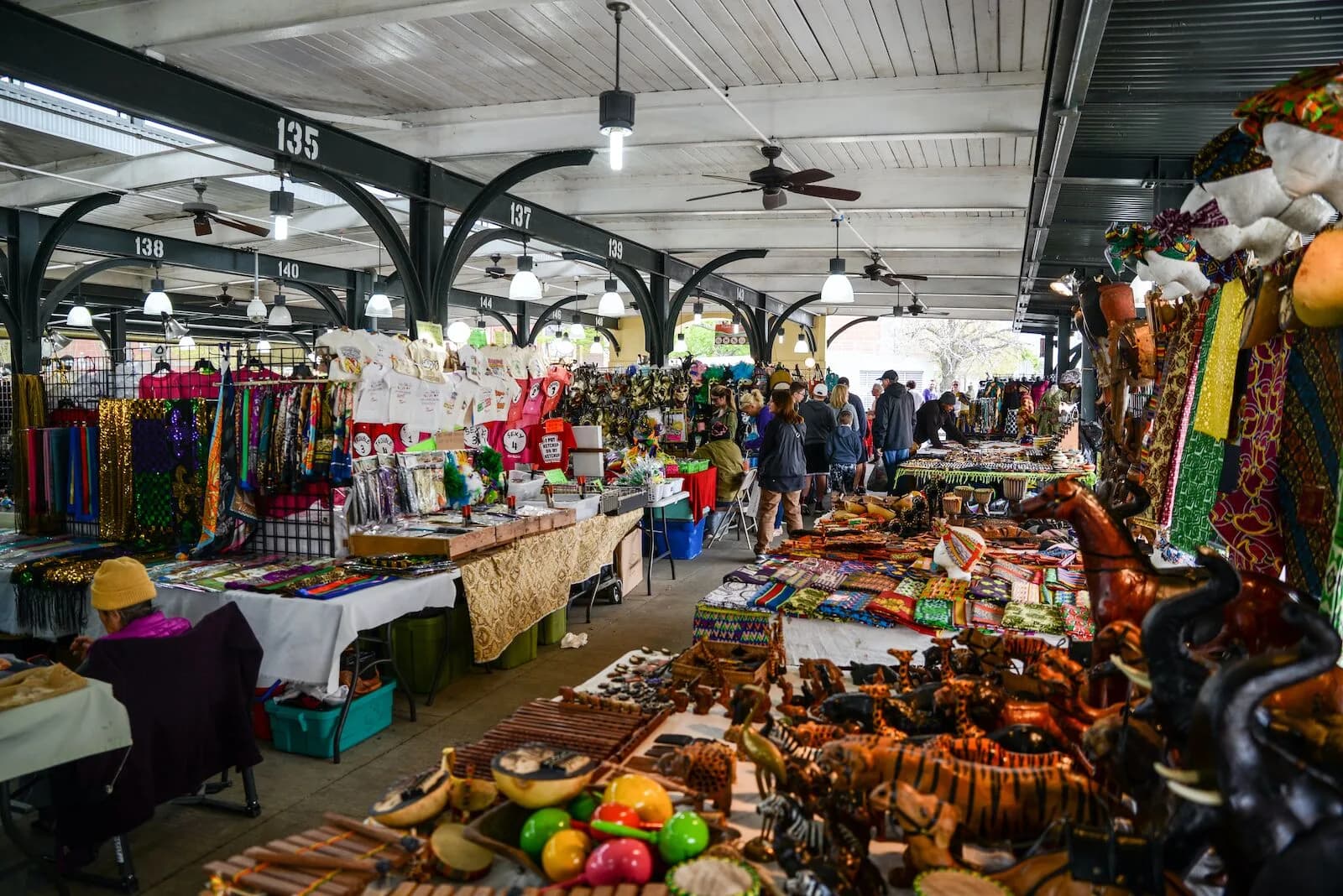
An open-air market running six blocks along the river, operating on this site in one form or another since 1791. Today it holds food stalls, produce vendors, local crafts, and souvenirs. It is free to walk through and flexible on time, which makes it a practical place to spread out for lunch or spend an unstructured hour before regrouping.

New Orleans School of CookingCulinary

New Orleans School of Cooking

A demonstration class in a French Quarter building from the 1830s, where a local chef cooks gumbo, jambalaya, and pralines in front of you while explaining where each dish came from and why New Orleans food developed the way it did. It is as much local history as cooking. You eat everything at the end, so it doubles as a meal.

Garden District Walking TourTour

Garden District Walking Tour

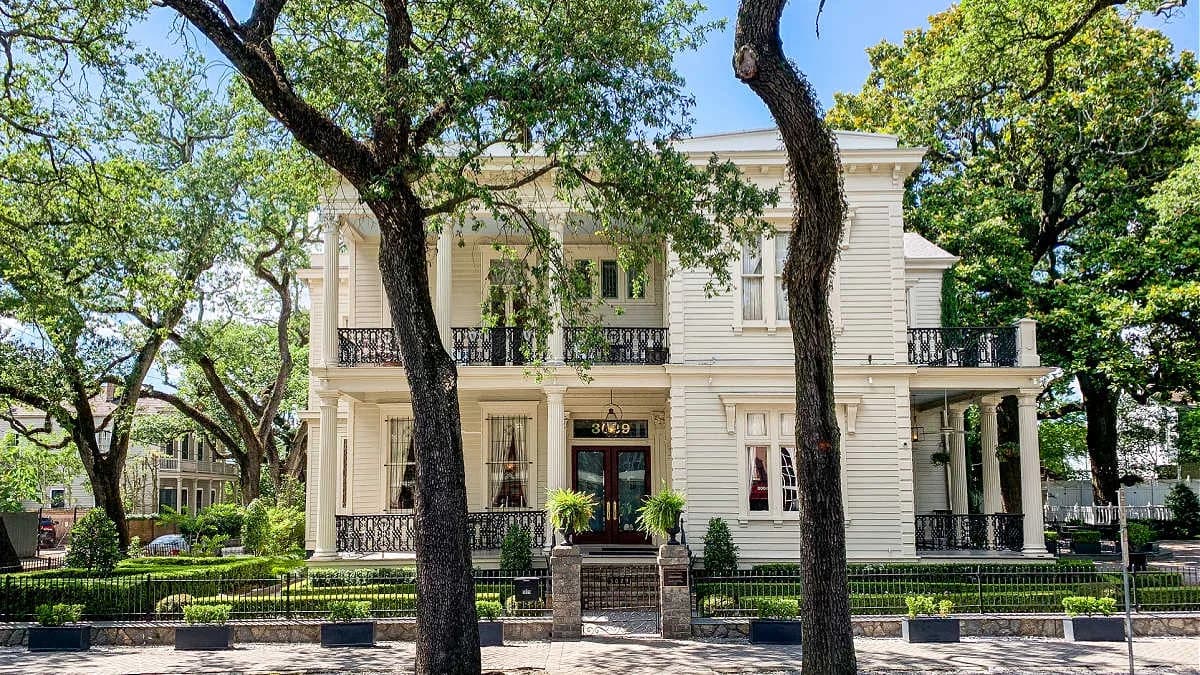
A guided walk through the neighborhood American newcomers built in the 1800s when the Creole city would not have them, resulting in some of the best preserved antebellum mansions in the South. Your guide covers the architecture, the families, and the stories behind individual houses, usually finishing at Lafayette Cemetery. About two hours, entirely on foot, mostly shaded by old oaks. Comfortable shoes are worth it.

St. Charles Streetcar LineTour

St. Charles Streetcar Line

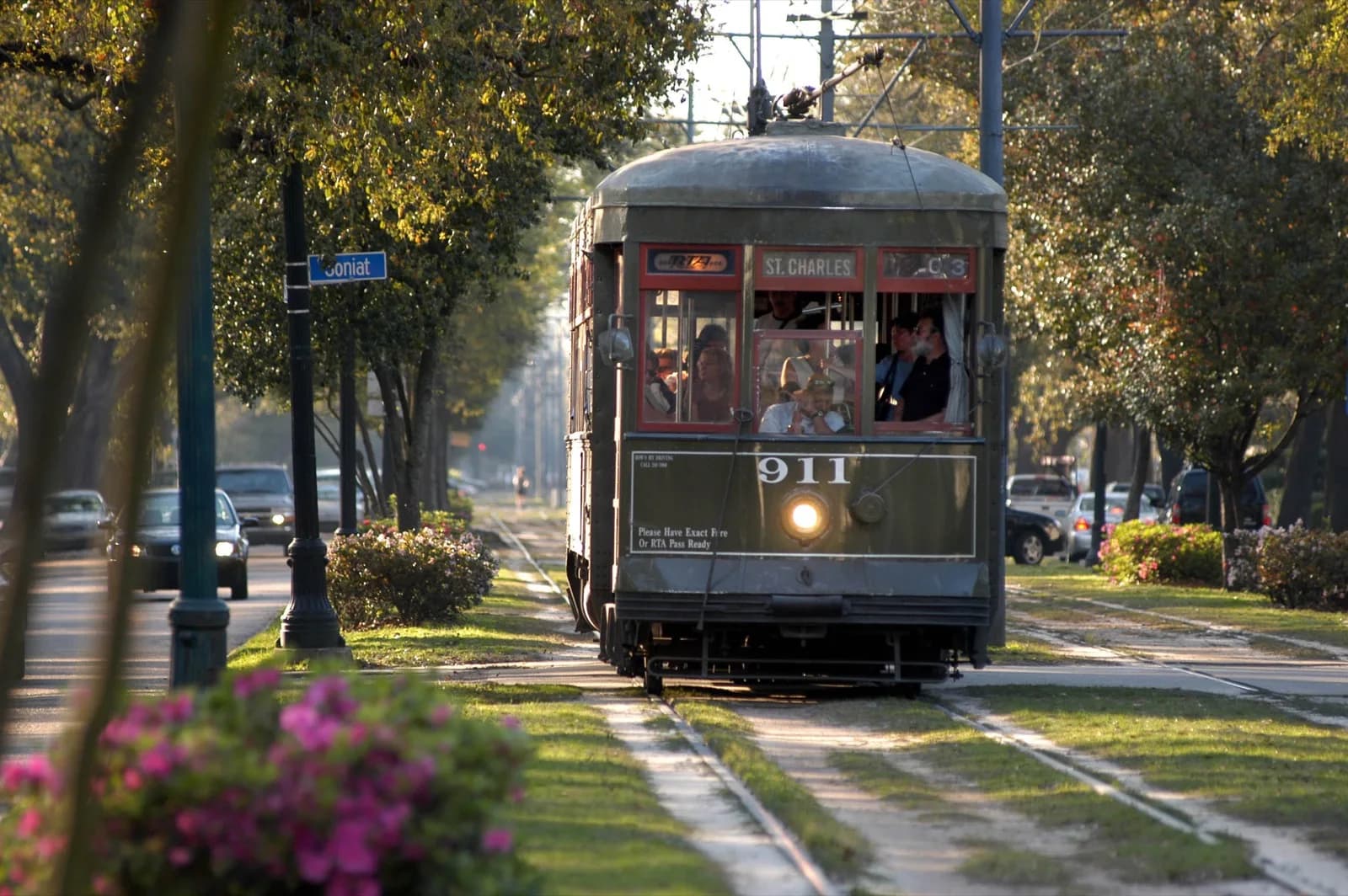
The oldest continuously operating streetcar line in the world, running since 1835 in olive green cars with wooden seats and windows you push open yourself. The route carries you up St. Charles Avenue past the Garden District mansions, Loyola and Tulane, and Audubon Park. A round trip takes about ninety minutes and costs a couple of dollars per person, which makes it the least expensive way to see a good stretch of the city.

Steamboat Natchez River CruiseTour

Steamboat Natchez River Cruise

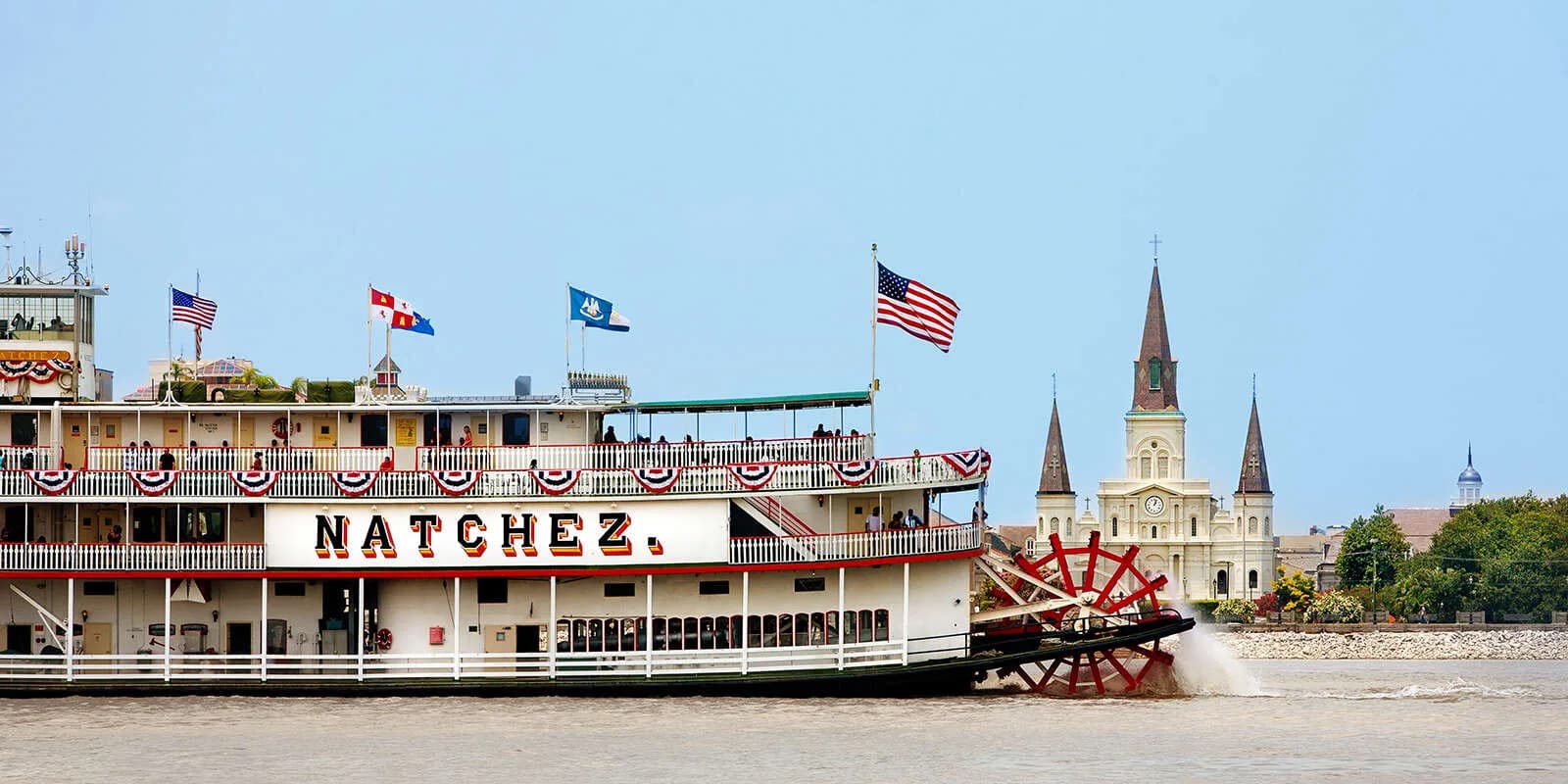
A two hour cruise on an authentic steam-powered paddlewheeler, the last of its kind on the Mississippi. Live jazz plays on board while narration covers the river, the working port, and the history of the city from the water, which is the vantage point it was originally built around. You can visit the engine room and watch the calliope being played. Everyone stays seated and shaded, so it suits groups of any age or mobility.

Missions TrainingHands On MinistryOpportunity to Share the GospelAll Group TypesMissions TrainingHands On MinistryOpportunity to Share the GospelAll Group TypesMissions TrainingHands On MinistryOpportunity to Share the GospelAll Group TypesMissions TrainingHands On MinistryOpportunity to Share the GospelAll Group Types
MISSIONLAB

Ready to Bring Your Group?

Hundreds of groups have served New Orleans through MissionLab. Yours could be next.